Living guide
🏘️Best Market Towns to Live in the UK
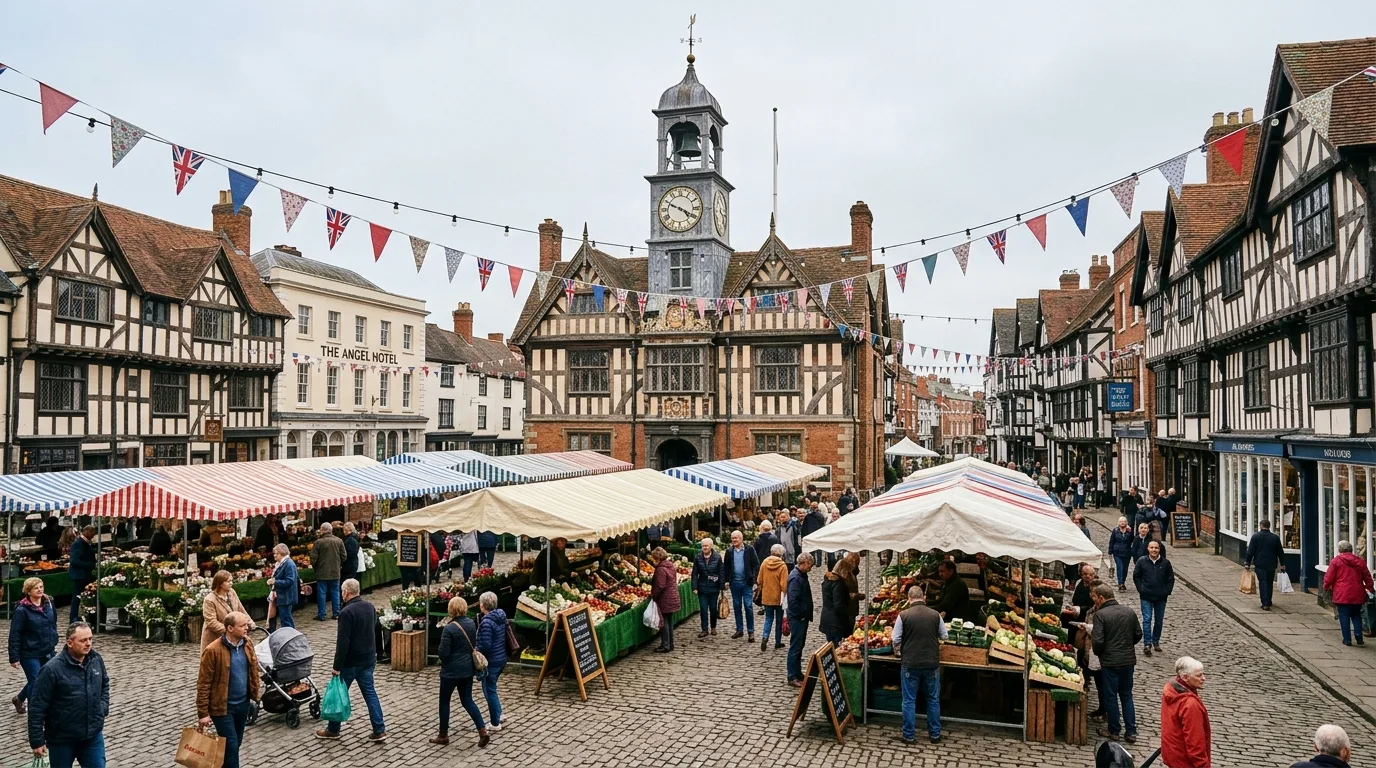
Market towns are, on almost any measure, one of the most quietly successful forms of British settlement. They have a historic core, a functional high street, a weekly or monthly market still running in some form, independent shops that have resisted national chains better than most places, and a population just big enough to sustain all of it without feeling urban. The best of them are places people talk about moving to for years before they actually do it.
Part of their appeal is that they have been living breathing settlements for centuries, not planned. A market town was, historically, the service hub for the surrounding villages and farmland, and that legacy still shapes the modern version. It is why the high streets are where they are, why the Tuesday bakery queue exists, and why the community feel is not a marketing phrase but a consequence of a settlement pattern that has been doing its job for 800 years.
How we rank market towns
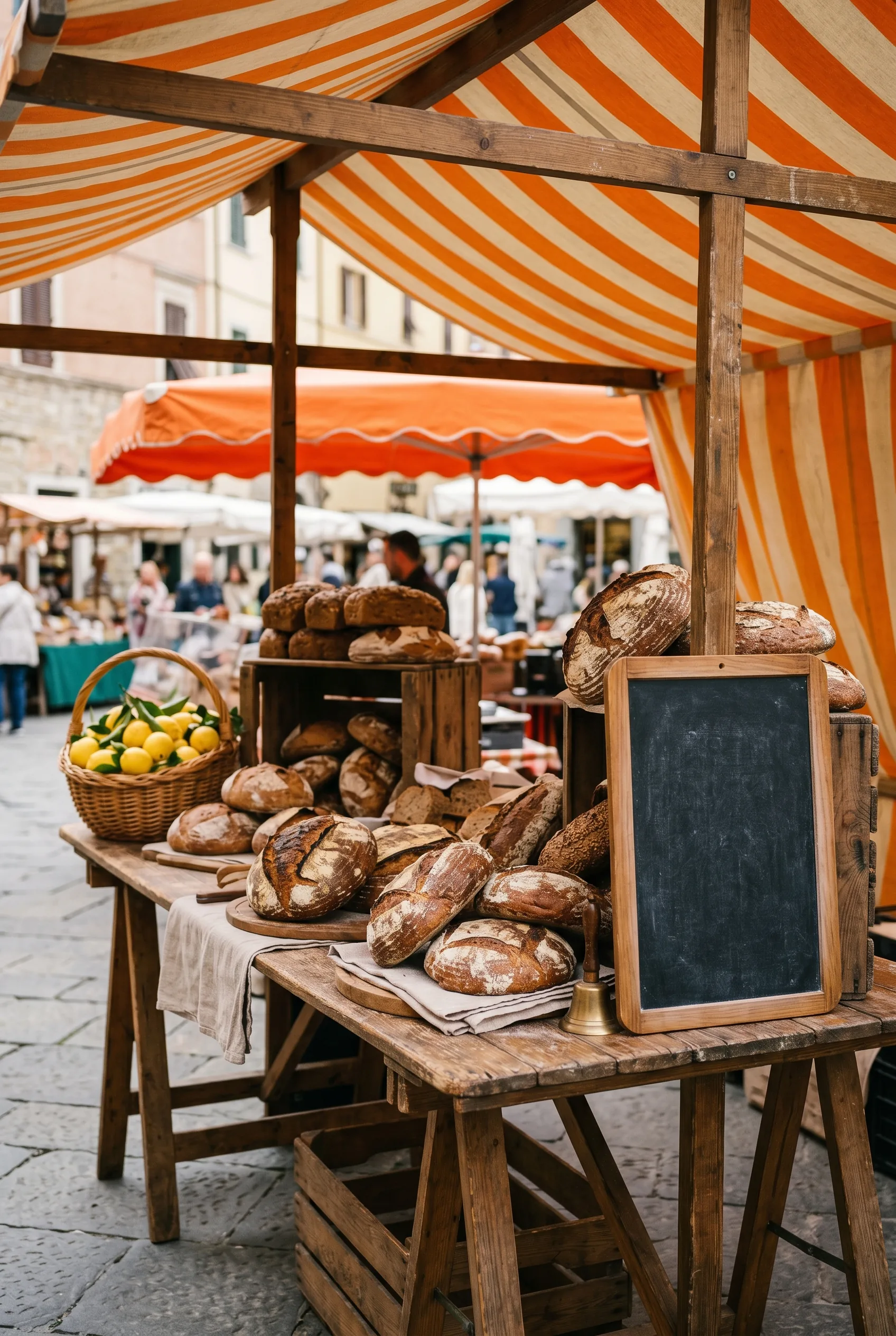
Every area in our index is tagged during preprocessing, and any town with a recognised historic market charter or ongoing regular market is classified as a market town. This guide filters the full index down to that group and ranks by overall liveability across all nine dimensions, equally weighted. No specialist preset distorts the picture: a good market town is one that performs well on the same basics any town should.
The interesting thing is how well market towns as a group score against the national average. On safety, green space, and amenities density they consistently outperform, and many of them also do unexpectedly well on affordability, because they sit far enough from major cities to have escaped the worst of the price pressure. The exceptions are the famously picturesque ones, which have become destination purchases and now behave more like the expensive coastal towns in the South West.
Where the best market towns are
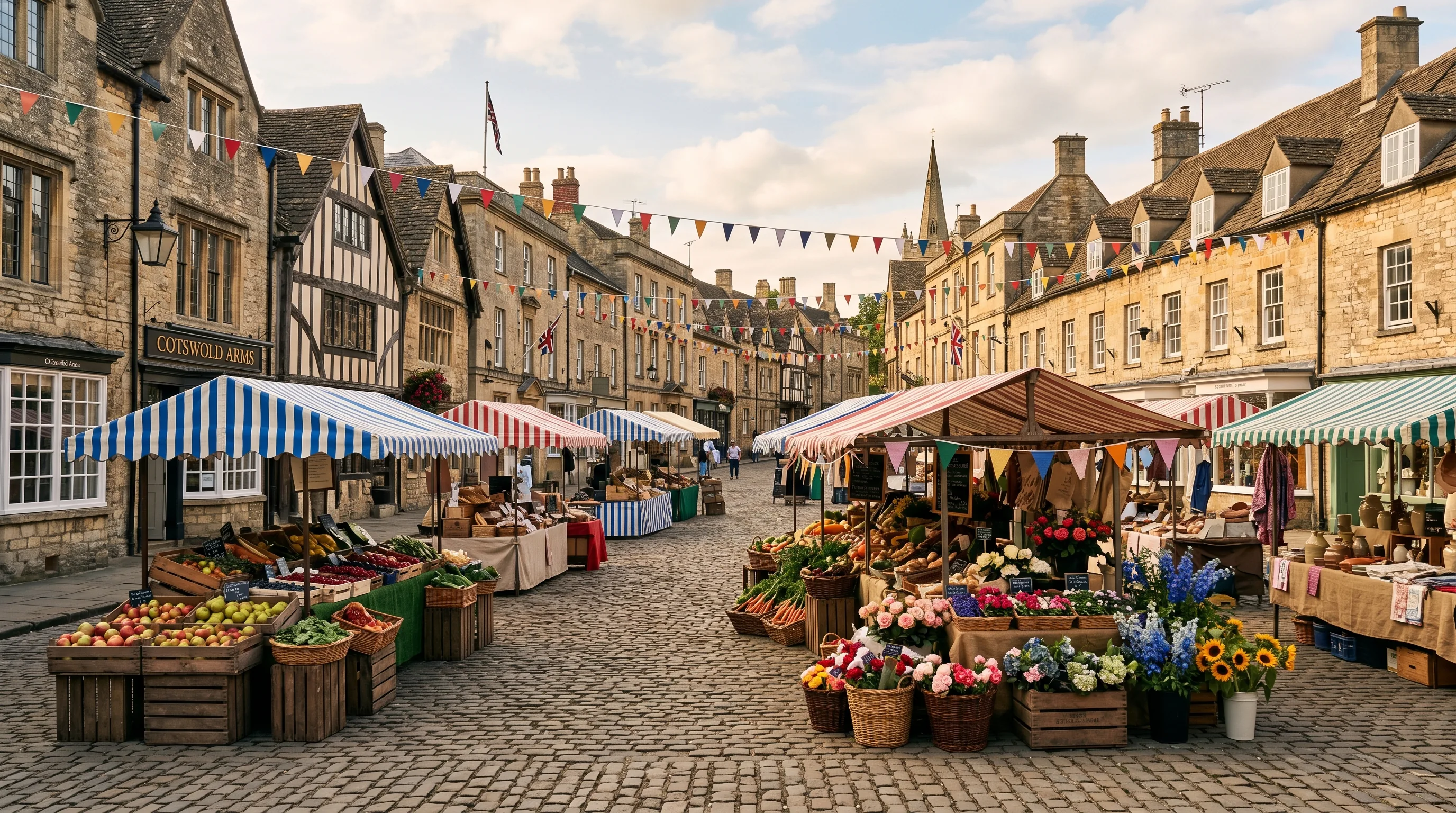
The Cotswolds and North Yorkshire produce a disproportionate share of the top performers, but plenty come from less fashionable regions. Parts of Shropshire, Herefordshire, the Welsh Marches, Lincolnshire, and the Scottish Borders contain some of the most liveable market towns in the ranking, and they remain affordable. The East Midlands and East Anglia contribute a number of strong picks too, often combining flat bike-friendly countryside with compact historic centres.
The very top of the league tends to reward mid-sized towns with populations between 8,000 and 30,000. Larger than that and you start to lose the market-town feel to suburban sprawl; smaller than that and the amenities thin out to the point where a working high street is no longer guaranteed. That sweet spot is where the best scores cluster.
What to look for
Check the amenities score first, because it is the single number that best captures whether the high street is still functioning. Then look at the price-to-earnings ratio, because a market town that has tipped into "destination" territory will have quietly become unaffordable even if it still looks like a bargain on first glance. Visit on market day and on a quiet Tuesday; both should feel like places you want to be. If only one does, the town is either a film set or a commuter-belt satellite dressed up as something older.
How we rank: Filtered to areas tagged as "Market Town", then ranked by overall quality-of-life score across all 9 equally-weighted dimensions.
Top 0 Market Towns
No areas matched this guide's criteria.
Related guides.
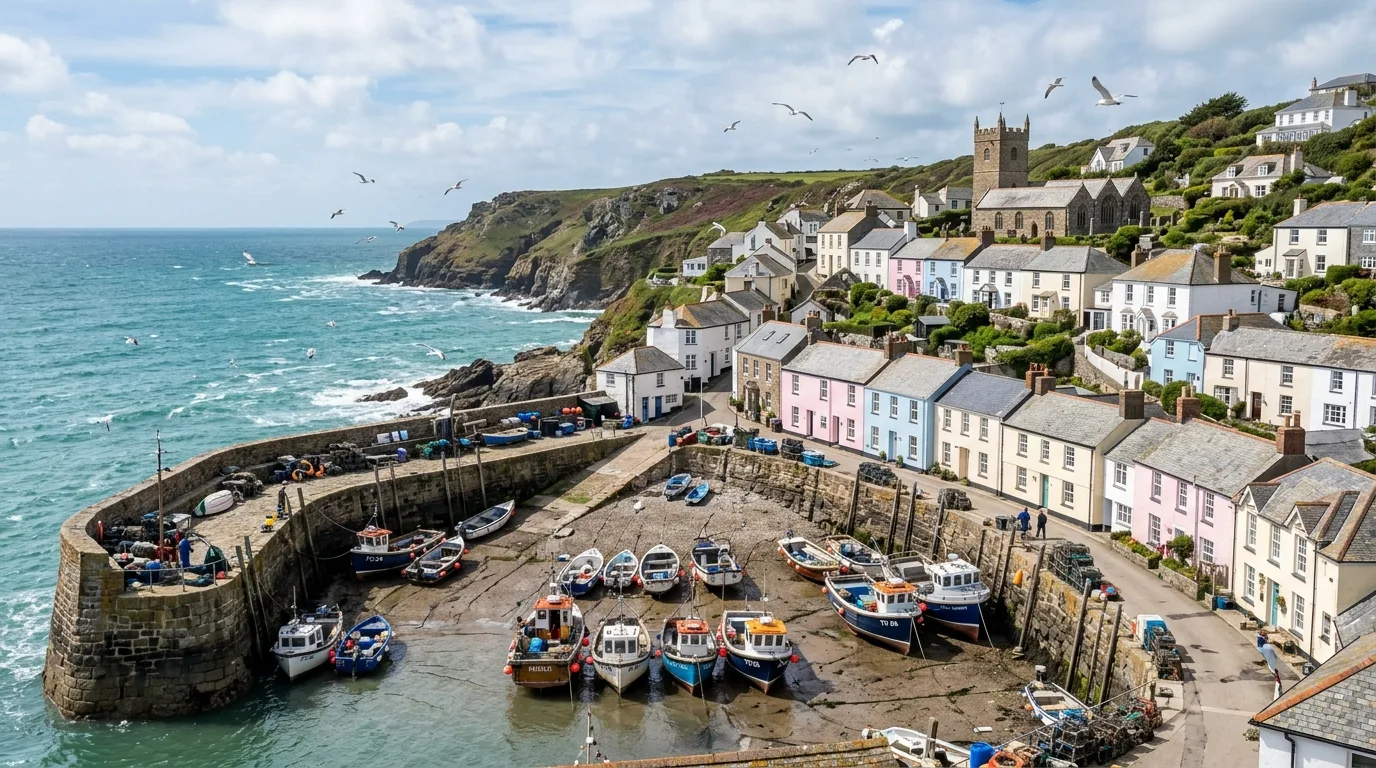
Best Coastal Towns to Live in the UK
Living by the sea comes with a particular quality of life that is hard to replicate inland. The air is genuinely clea...
View guide
Safest Places to Live in the UK
Feeling safe in your neighbourhood is fundamental to quality of life. Whether you are walking home after dark, lettin...
View guide
Greenest Places to Live in the UK
Living near green space is not just pleasant, it is measurably good for you. Research consistently links access to pa...
View guide